
Trusted Pool Service in Antelope - Clean Water and Care for Your Pool
Worried About Keeping Your Antelope Pool Clean and Safe?
From Antelope Valley to Dry Creek and Sterling Pointe, Cody’s Pool Service provides reliable pool maintenance designed for local homeowners. Our team understands the unique challenges pools face here, including debris from landscaping, hard water, and fluctuating temperatures.
Summer heat, wind, and seasonal changes can cause faster algae growth, water evaporation, and chemical imbalances. Dust, leaves, and pollen often enter pools, while minerals in the water can leave calcium deposits on tiles, walls, and equipment.
Trained and insured technicians handle these problems through weekly cleaning, chemical balancing, equipment checks, and timely repairs. This keeps pools safe, clear, and ready for use without adding stress to your schedule.
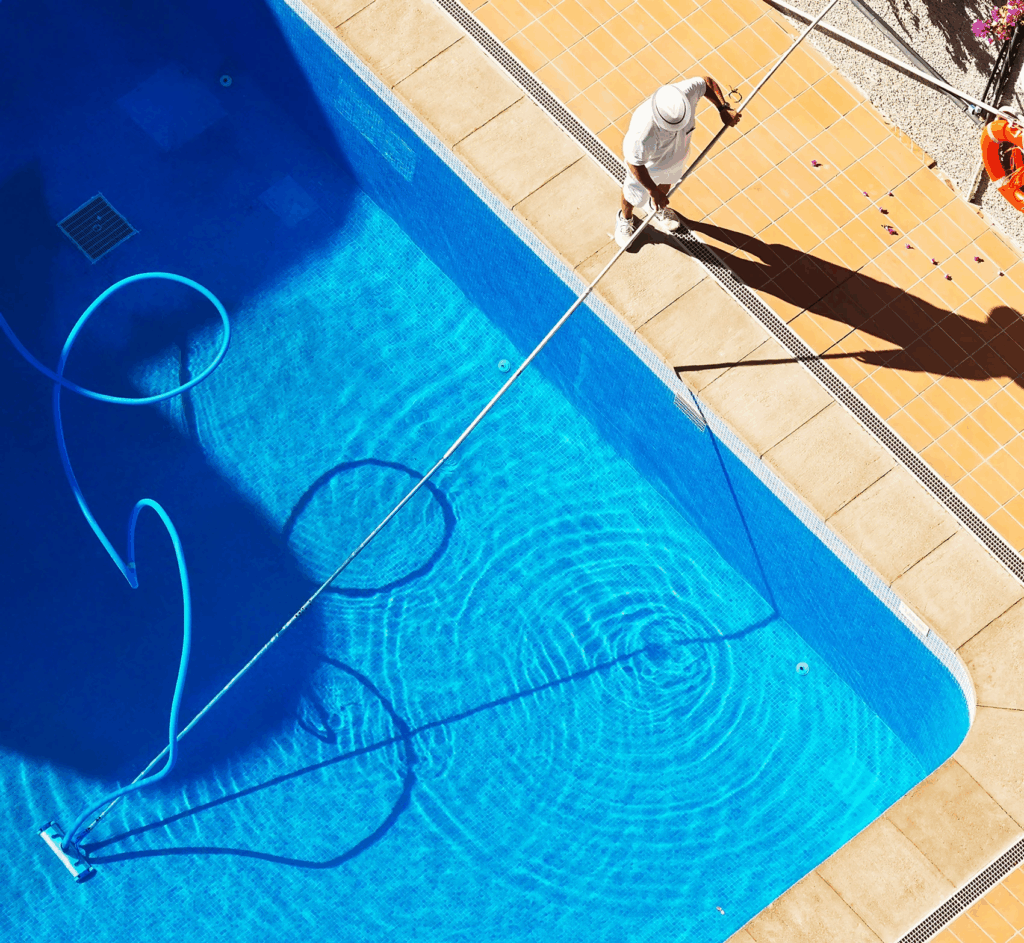
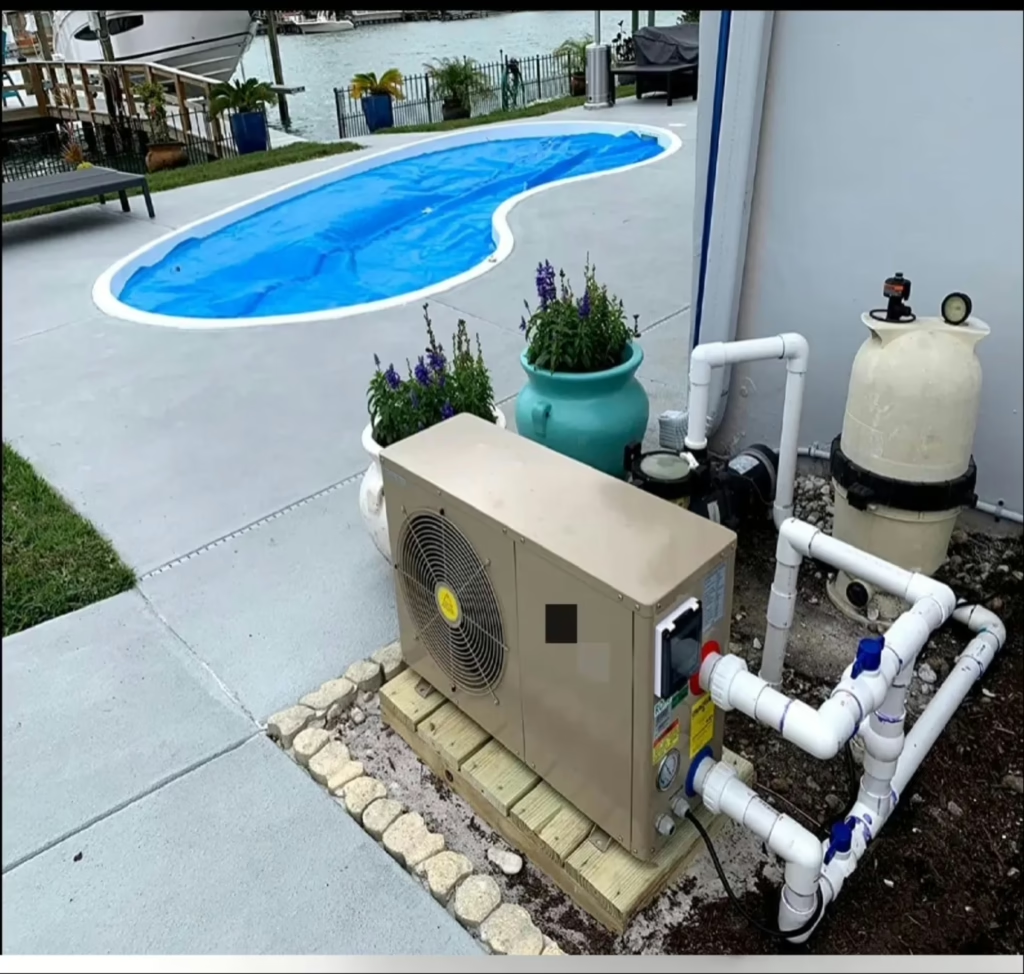
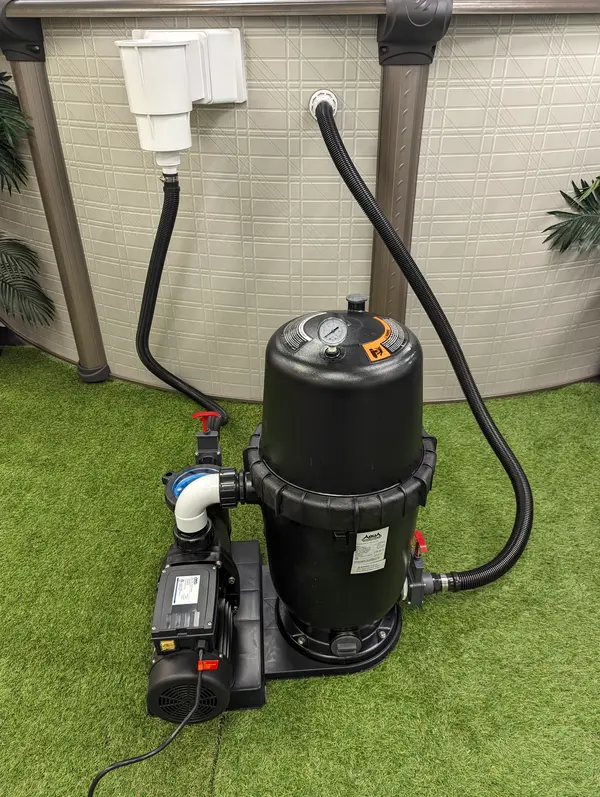
Each visit includes brushing walls and steps, skimming debris, emptying baskets, and inspecting pumps, filters, and heaters. Homeowners receive practical tips for care between visits, helping maintain water clarity all year.
Families throughout Antelope Valley and nearby neighborhoods trust the team for fast response times, clear communication, and reliable results. With consistent care and local expertise, your pool stays clean, balanced, and inviting for family and friends.
What Our Customers Are Saying
Quick Steps to Pool Service in Antelope?
Check Pricing & Plans
Expert Pool Visits
Satisfaction Guaranteed
Average Pool Service Prices in Antelope


FAQs pool services in Antelope
How does Antelope’s hot and dry summer climate affect my pool maintenance?
Antelope experiences long, hot, and dry summers, which increases water evaporation and chlorine consumption. Higher temperatures also speed up algae growth and place extra demand on circulation systems. Professional pool service helps maintain proper chemical balance, manage water levels, and keep pools clear and safe during peak summer heat.
What challenges do pools face in Antelope’s foothill neighborhoods?
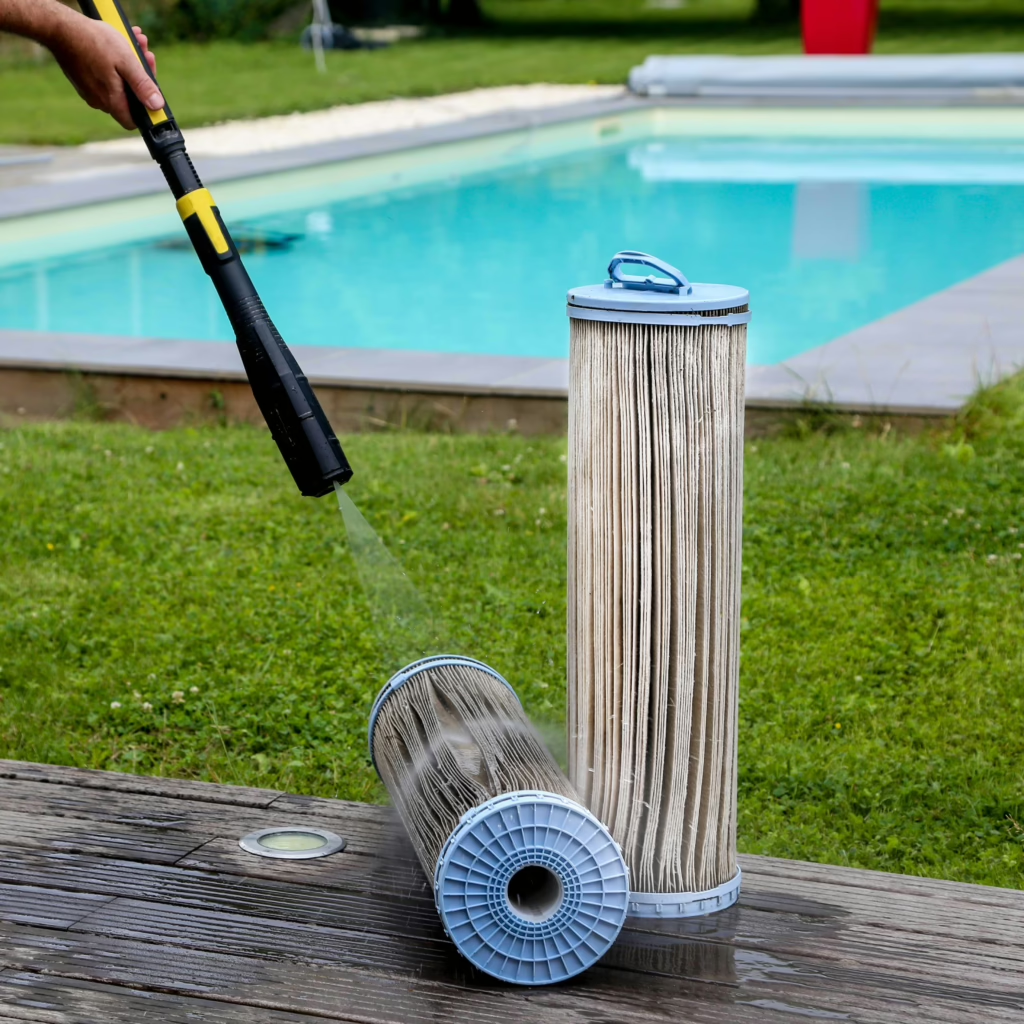
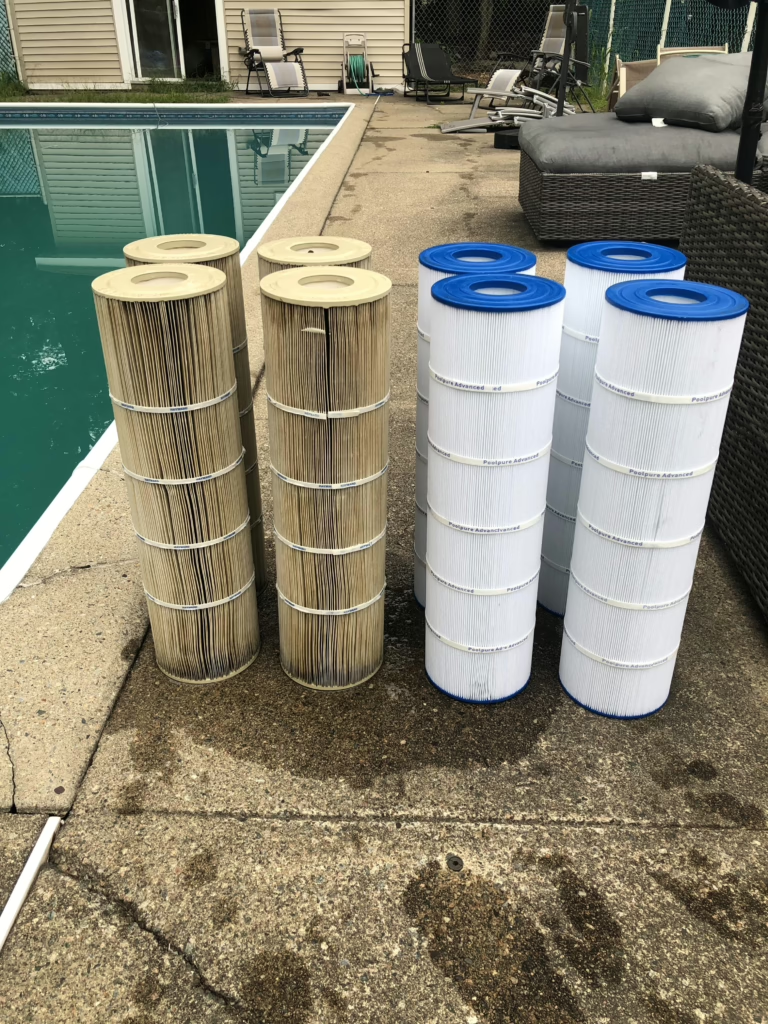
Pools in Antelope’s foothill and surrounding residential areas often deal with increased dust, leaves, and wind-blown debris. These conditions can clog filters and reduce water clarity if not handled consistently. Routine pool cleaning and filter maintenance help protect equipment and maintain clean, balanced water.
How should I adjust my pool care routine during Antelope’s winter rainy season?
During the winter months, rainwater can dilute pool chemicals and introduce organic debris into the water. Cooler temperatures also slow circulation, increasing the risk of algae if maintenance is skipped. Regular professional service ensures proper chemical adjustments and keeps filtration systems working efficiently throughout the rainy season.
Does Antelope’s hard water affect pool equipment differently?
Antelope’s hard water contains minerals that can lead to calcium scale buildup on pool tiles, heaters, filters, and internal plumbing. Over time, this buildup reduces equipment efficiency and may cause long-term damage. Consistent pool maintenance helps manage mineral levels and extend the life of pool equipment.
How do temperature swings between summer and winter impact my pool chemicals?
Seasonal temperature changes in Antelope affect how quickly chemicals break down and how efficiently water circulates. Summer heat increases chemical demand, while cooler winter temperatures can cause imbalances if not monitored. Ongoing pool service ensures chemical levels remain stable through seasonal transitions.
Why is algae prevention more challenging in Antelope?
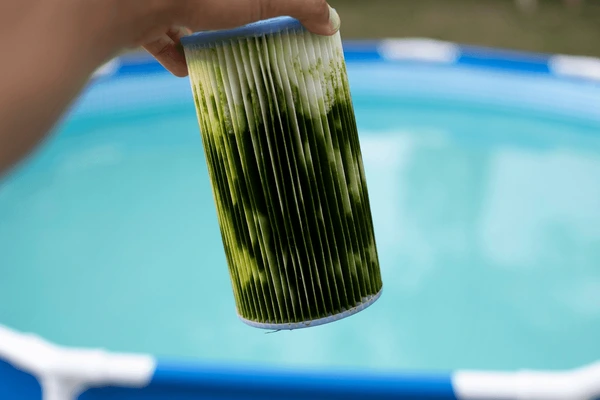
Warm temperatures, strong sunlight, and fluctuating water chemistry create ideal conditions for algae growth in Antelope pools. Without consistent brushing, filtration, and chemical balancing, algae can spread quickly. Regular professional maintenance helps prevent algae before it becomes a serious issue.
Why is keeping algae under control more difficult in Antelope than in cooler areas?
Compared to cooler regions, Antelope’s climate allows algae to grow faster due to prolonged heat and sunlight exposure. Dust and organic debris further fuel algae development. Routine pool service focuses on prevention through proper circulation, filtration, and chemical control to keep pools algae-free.